

For many people in South India, the Himalayas are more than just mountains. They are a quiet dream that lives somewhere deep within the heart. From childhood stories to spiritual traditions, the Himalayas often represent something mystical — a place of silence, strength, and inner discovery. Each one of us wishes there was a Himalayan trek for South Indians. Yet when the opportunity to actually trek in the Himalayas comes up, many of us hesitate.
The idea of walking through high mountains, cold winds, and unfamiliar terrain can feel intimidating, especially for someone who has spent most of their life in the warm, tropical landscapes of South India.
Questions begin to appear naturally:
Will my body support the altitude?
Will I be able to bear the cold?
What if I fall sick during the trek?
These are real concerns. But the truth is that a Himalayan Trek for South Indians is very achievable when the journey is planned properly, with the right preparation, pacing, and guidance.
This is exactly where the role of a Himalayan trek organiser for South Indian trekkers becomes important — someone who understands the mindset, the concerns, and the physical adjustments needed for people coming from lower altitudes.
Let’s explore why so many people from South India dream of the Himalayas, and what actually holds them back.
Why People from South India Dream of the Himalayas
The Himalayas have always held a special place in Indian imagination. They are not just a geographical feature; they are deeply woven into our stories, spirituality, and cultural memory.
For people living in South India, the contrast is even stronger.
While the Western Ghats offer beautiful hills and forests, the Himalayas stand on an entirely different scale — vast valleys, snow-covered peaks, and landscapes that seem almost otherworldly.
Many people grow up hearing about places like:
- Kedarnath
- Badrinath
- Gangotri
- Himalayan trekking routes
But these places often remain in the realm of dreams rather than real experiences.
The dream stays alive, but the first step toward trekking often feels difficult.
Altitude: The Biggest Concern for a Himalayan Trekker from South India
One of the biggest concerns for South Indian trekkers is altitude.
Most cities in South India are located very close to sea level. Coastal cities like:
- Mangalore
- Surathkal
- Chennai
- Kochi
sit almost at zero altitude.
In contrast, many Himalayan treks begin at 2,000–3,000 meters above sea level, and some go much higher.
This sudden difference naturally creates anxiety.
People often worry about altitude sickness, breathing difficulty, or whether their body will be able to adjust.
The good news is that the human body is remarkably adaptable. With gradual ascent, proper acclimatization, hydration, and guidance, most beginners adjust comfortably.
A well-planned trek always includes rest periods and gradual elevation gain, allowing the body to adapt safely.
Cold Weather: Another Fear for South Indian Trekkers
Another common fear is the cold.
South India enjoys a relatively warm climate throughout the year. For someone who has never experienced sub-zero temperatures, the thought of trekking in snow or icy winds can feel overwhelming.
Many people imagine extreme conditions that seem impossible to handle.
But the reality is much simpler.
With the right clothing system — especially layering — cold weather becomes manageable. A proper combination of:
- thermal layers
- fleece jackets
- down jackets
- windproof outer layers
can make even cold Himalayan mornings comfortable.
Once people experience it firsthand, they often realize the cold is far less intimidating than they imagined.
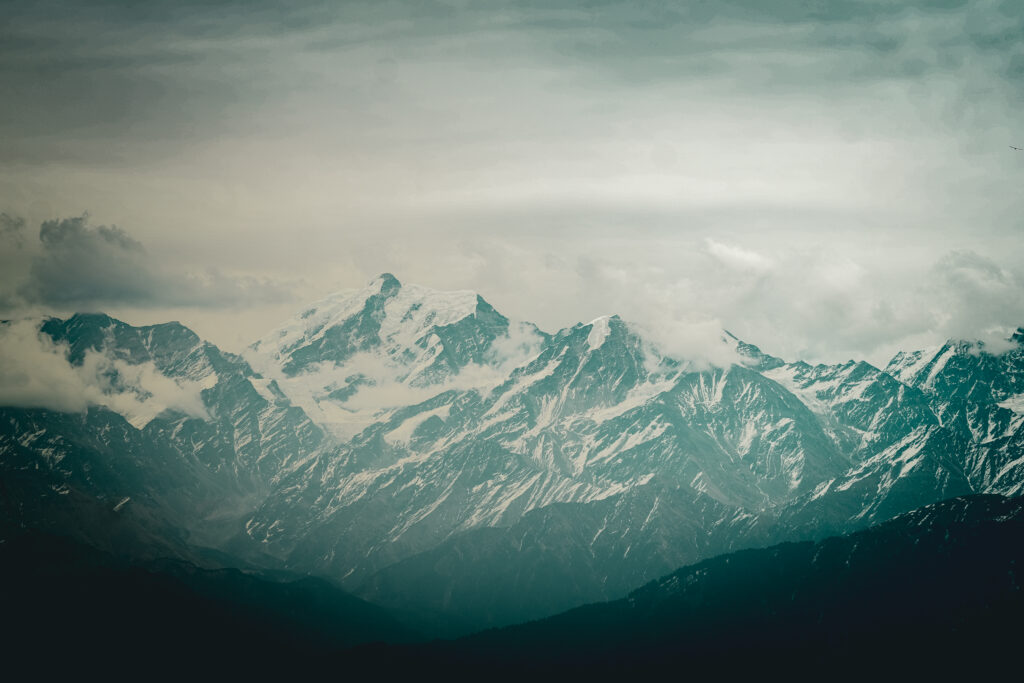
Fear of Physical Endurance
Another myth that stops many people is the belief that Himalayan trekking requires extreme fitness.
Many assume that only athletes or seasoned adventurers can attempt such journeys.
In reality, many Himalayan treks are designed specifically for first-time trekkers.
Success in trekking rarely comes from speed or strength. Instead, it comes from:
- steady walking
- proper breathing
- pacing yourself
- listening to your body
With the right guidance, even people who have never trekked before can successfully complete beginner-friendly Himalayan routes.
The Unknown Factor in a Himalayan Trek for South Indians
Perhaps the most powerful fear is simply the unknown.
When people travel as tourists, they stay in hotels and move comfortably in vehicles. Trekking is very different. It takes you away from roads and deeper into natural landscapes.
People wonder:
- What will the trail be like?
- Will there be proper safety support?
- What happens if someone feels unwell?
- Will I be able to complete the trek?
These are important questions.
This is where having a reliable Himalayan trek organiser for South Indian trekkers makes a meaningful difference. Proper planning, experienced guidance, and thoughtful logistics remove much of this uncertainty.
When participants know they are supported throughout the journey, confidence grows naturally.
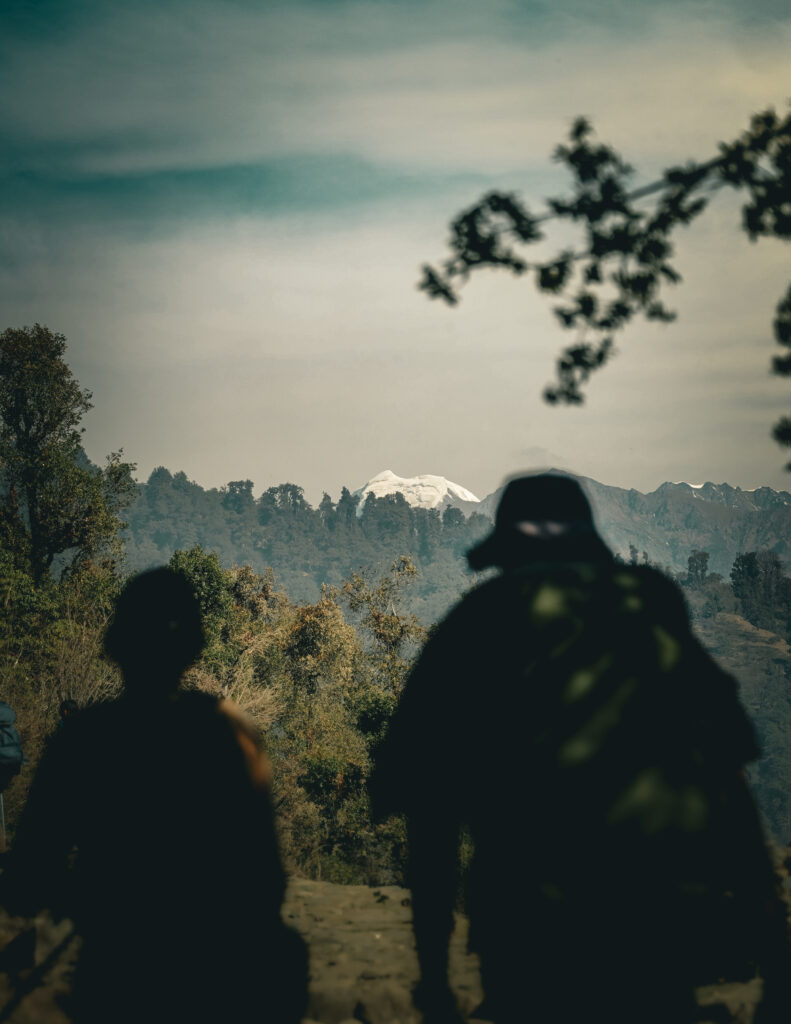
A Small Success Story from the Himalayas
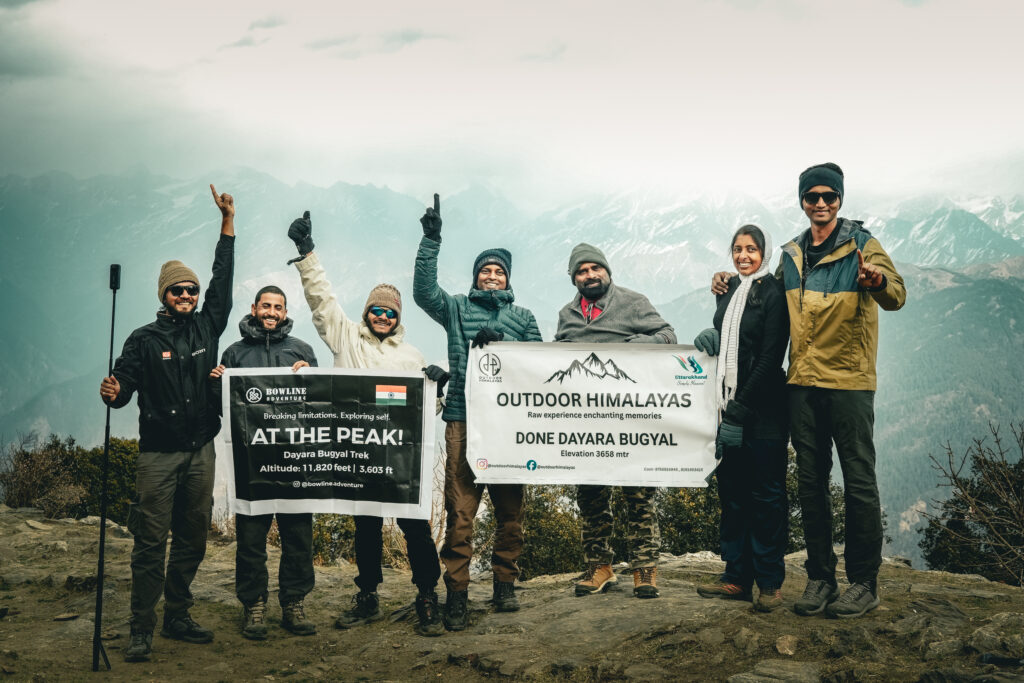
Recently, I had the opportunity to host a group from South India for a Himalayan trek. Most of the participants came from Bengaluru and Mangaluru.
It turned out to be a day of deep fulfillment — successfully hosting a wonderful group in the Himalayas.
For many of them, this journey had lived in their dreams for years. Yet they arrived carrying the same questions that most people do:
Will my body support the altitude?
Will I be able to bear the cold?
What if I fall sick?
But something beautiful happens once you start walking in the mountains.
Step by step, breath by breath, the fear slowly dissolves.
What replaces it is wonder.
The vast valleys.
The silence of the mountains.
The feeling of strength that quietly emerges from within.
Tourist viewpoints can show you the Himalayas. But trekking allows you to experience them in a completely different way.
Hosting this group was special because a Himalayan trek always carries responsibility — planning routes, ensuring safety, pacing the journey, and managing logistics.
With thoughtful preparation and the spirit of a wonderful group, the journey came together beautifully.
Understanding the South Indian Trekker
Being from South India myself — especially from Surathkal, just a short distance from the Arabian Sea — I understand what it means to travel from sea level to the mighty Himalayas.
I understand the questions people carry in their minds.
The worries about altitude.
The uncertainty about cold weather.
The doubt about physical stamina.
This understanding becomes important while designing a Himalayan Trek for South Indians.
Every trek needs to be designed with care so that participants feel supported throughout the journey. This includes:
- gradual acclimatization plans
- beginner-friendly trekking routes
- proper safety protocols
- experienced local guides
- thoughtful pacing
When these elements come together, trekking becomes far less intimidating and far more enjoyable.
Practical Tips for First-Time Himalayan Trekkers from South India
If you are considering your first Himalayan trek, here are a few simple tips that can help:
1. Start with a beginner-friendly trek
Choose routes that are known to be suitable for first-time trekkers.
2. Prepare your body gradually
Simple activities like walking, climbing stairs, and light cardio exercises can prepare your body for trekking.
3. Learn about layering
Understanding how to dress for cold weather makes a huge difference in comfort.
4. Stay hydrated
Hydration plays an important role in altitude adaptation.
5. Travel with experienced organisers
Having knowledgeable guides and proper support systems greatly improves safety and confidence.
The Real Gift of the Himalayas
People often think trekking in the Himalayas is only about reaching a summit or completing a route.
But the real gift of the mountains lies elsewhere.
It is in the quiet moments on the trail.
In the sound of wind moving through high valleys.
In the simple rhythm of walking through landscapes that have existed for thousands of years.
Somewhere along that journey, the Himalayas reveal something profound — not just about the mountains, but about ourselves.
A Wish for Every Explorer
It is my sincere wish that everyone experiences the sheer silence and intensity of the Himalayas at least once in their lifetime.
Not through a car window.
But through footsteps on a mountain trail.
Because somewhere along that path, the mountains begin to change the way we see the world — and ourselves.
More Himalayan treks will be coming up soon through Bowline Adventure, designed especially for explorers from South India who wish to experience the Himalayas in a thoughtful and supportive way.
If the mountains have been quietly calling you for years, perhaps it is time to finally take that first step. 🏔️